Antiques are relics or objects that are at least 100 years old, and antique buyers have been collecting antique pieces as a popular hobby for decades.
Antique Dealers are professionals who connect buyers with antique items.
They appraise, procure, and sell antique pieces like furniture, jewelry, fine art, and collectibles.
- What is an Antique Dealer?
- Work Opportunities in the Antique Dealer Industry
- What It’s Like to be an Antique Dealer
- Do Antique Dealers Make Good Money?
- Overview of the Antique Dealer Industry
- Requirements, Skills, and Education Required for Antique Dealers
- Antique Dealer Education & Schooling
- Become an Antique Dealer
- Frequently Asked Questions
- Wrapping Up
What is an Antique Dealer?
An antique dealer is a person who sells and buys items that are over 100 years old.
They usually have a lot of knowledge about old items and can help you find the right piece for your collection.
What is an Antique Dealer Called?
An antique dealer is also called an antiquarian, antiquities dealer, antique collector, or antique trader.
What does an Antique Dealer do?
An antique dealer is a person who specializes in buying and selling antiquities and collectibles.
They may work in a store, or they may sell items online.
Antique dealers might work for a private company or own their own business.
They can offer services like antique appraisals and procurement.
Work Opportunities in the Antique Dealer Industry
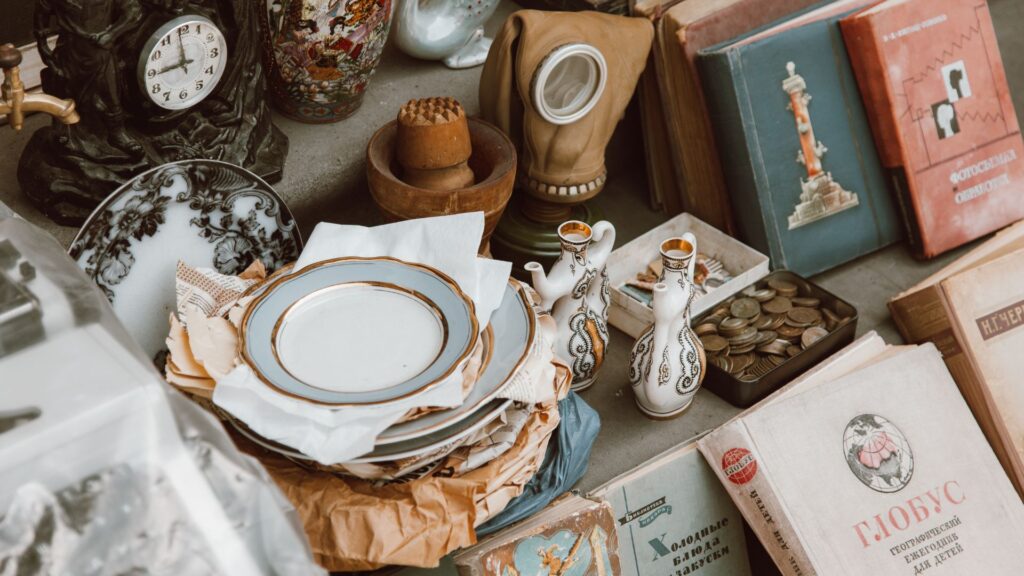
Antique Dealer Job Description
An antique dealer usually works in a store or gallery setting.
However, they may also work for an auction house or estate service.
They are responsible for finding new pieces of antique furniture, dolls, porcelain plates, and other collectibles to sell to customers or furnish a home with decorative arts.
They might rent a space for a shop or antique show.
Top Antique Dealer Jobs and Careers
- Curator of Antiques
- Antique Appraiser
- Antique Shop Owner
Jobs Related to Antique Dealer
Antique Dealers can work within a specialized niche like jewelry, furniture, or art.
They may also work on general antiquities in an auction house or antique shop.
There are a few jobs in the antiquities industry that include:
- Antique Restoration
- Antiques Appraiser
- Auctioneer
- Furniture Maker
Where Can an Antique Dealer Work?
Antique Dealers work in various areas of the antique trade, including owning an antique business, antique market, flea market, auction house, or estate sale.
Antique dealers also work for museums and historical sites to furnish exhibits.
There are so many different areas for antique dealers to work.
Current Career Job Openings
Job openings for archivists and collections management can help you gain experience as an antique dealer.
Look for job openings at antique auction houses or estate sale broker.
[zip_job_ajax col=”2″ location=”united states” keyword=”antique dealer”]
What It’s Like to be an Antique Dealer
Being an Antique Dealer is not hard for someone who loves history and enjoys placing pieces into historical context.
Is an Antique Dealer Job Stressful?
Yes and no.
Being an antique dealer can be somewhat stressful because an antique dealer works with customers and collectors.
They need to have a keen eye for detail and be able to inspect items and pieces to appraise and determine market value.
This can be stressful for some people.
Common Antique Dealer Work Day
A day for an antique dealer will likely consist of walking through antique markets and shops or attending an antique auction or estate sale.
Antique dealers also go to garage sales.
They need to be able to research items’ origins and history.
Antique dealers investigate pieces to ensure no rights reserved for selling fine art pieces.
Antique dealers explore every nook and cranny of shops to find antiques that fit what their clients are looking for.
They may also be looking for specific inventory for their antique store.
For example, a dealer may specialize in 19th century magazines, so they only go into a shop looking for that one thing.
Antique Dealer Work Hours & Schedule
Being an Antique Dealer can be demanding and often requires long hours.
Depending on the hours of operation of their store.
Antique auctions and estate sales often take place on weekends so that antique dealers may work on weekends.
Antique Dealer Dress Code
Working with high-end estate sales and auctions, antique dealers should dress professionally and wear formal attire like a suit with a jacket and slacks.
Comfortable clothes and shoes are recommended because an antique dealer is bending to inspect pieces and walking a lot when shopping for antiques.
Does This Career Field Embrace Work/Life Balance?
Antique dealers have flexible hours, and their work is more of a hobby, so they experience a good work/life balance.
Do Antique Dealers Make Good Money?
Antique Dealers can make good money if they are consistent in their sales.
Unfortunately, antique dealers rely on profit from antique sales to earn a living, which can be inconsistent sometimes.
They might earn anywhere from a few dollars in profit to thousands of dollars.
How Much Do Antique Dealers Make?
On average, antique dealers in the United States make over $44,000 annually.
However, this varies greatly depending on the antiques they deal in.
For example, antique jewelry can be highly valuable as antique art and furniture.
Overview of the Antique Dealer Industry
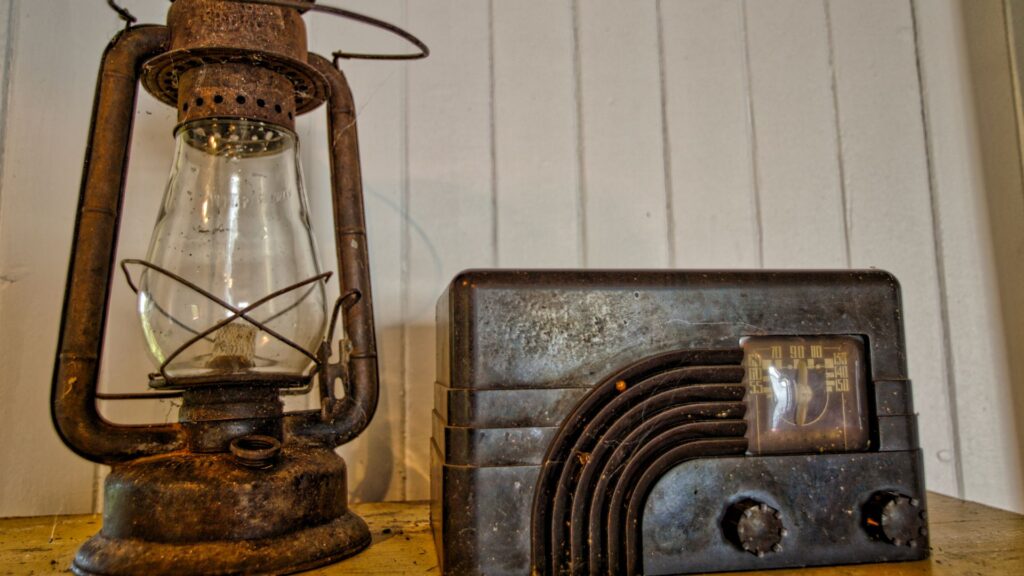
Antique Dealer Field: Career Progression
Antique Dealers usually work for shops, markets, and auctions, or they may own their shop or antique business.
As Antique Dealer gains more experience, they may move into becoming an auctioneer or fine art curator.
Is Antique Dealer a Good Career?
Antique dealer is an excellent career for anyone interested in the history of artifacts, furniture, jewelry, or other collectibles.
This career offers flexibility, competitive salaries, opportunities for advancement, and owning your own business with experience.
Antique Dealer Job Outlook
The antique dealer’s job outlook is positive.
The field continues to grow as new artifacts are uncovered, and people want to furnish their homes with antiques.
Estate sales are also increasing as the older population leaves behind their estate for auction, so antique dealers are needed.
Requirements, Skills, and Education Required for Antique Dealers
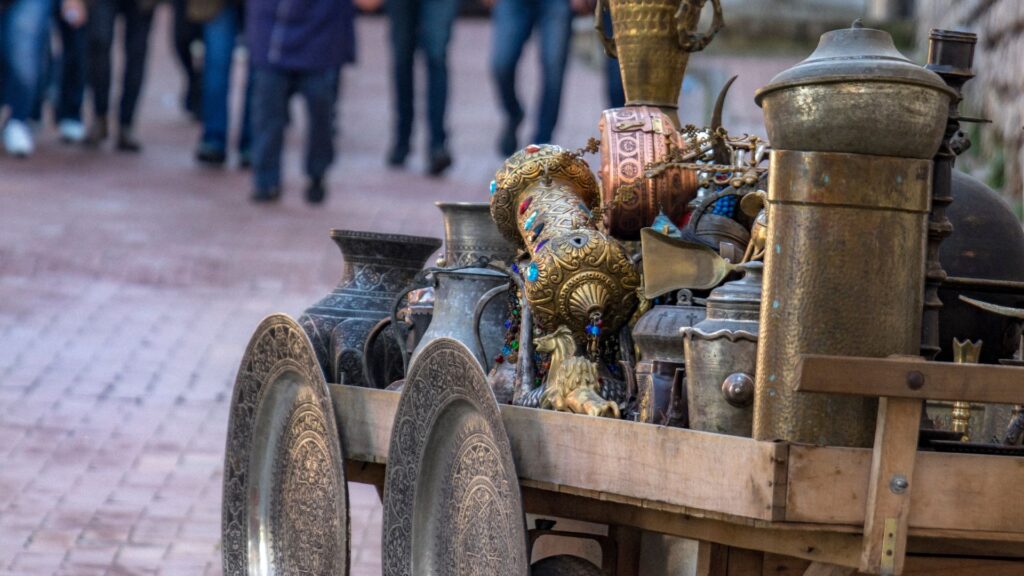
Anyone passionate about history and antique collectibles might pursue a career path as an Antique Dealer.
Who Should NOT Consider an Antique Dealer Career Path?
Those who are impatient, not good with customers, or have no interest in preserving the past should not consider an antique dealer career path.
Is it Hard to Become an Antique Dealer?
It is not hard to become an antique dealer, especially if you love antiques and enjoy learning about history.
Antique dealers typically gain skill and experience through practice and training under an experienced antiquities dealer and appraiser.
What Do I Need to Become an Antique Dealer?
Requirements for Becoming an Antique Dealer
Antique Dealers generally don’t need a degree or formal education.
Instead, they often learn on the job by working in an antique shop or mall.
Antique dealers must learn what to look for in antiques and how to appraise their value.
What Skills Does an Antique Dealer Need?
It is also important to know about antiques and the industry to succeed as an antique dealer.
Antique Dealers should also be able to learn the history of objects and tell the story behind a piece.
What Education Does an Antique Dealer Need?
An antique dealer does not need a degree or formal education to enter the industry.
However, bachelor’s degrees that are helpful would be in history, art history, or fine arts.
Also, studying as an apprentice or assistant to an art dealer would help someone gain the necessary experience to become an antique dealer.
Can You Become An Antique Dealer Without a Degree?
Yes.
You can become an antique dealer without a degree.
However, you need to have a passion for antiques to become successful as an antique dealer.
What Experience Does an Antique Dealer Need?
An antique dealer must gain experience working with antiquities and collectibles.
In addition, they should have a good eye for detail and be able to estimate the value of an item.
They may start as an assistant and, with education and certification, move up to Antique Dealer.
Antique Dealer Education & Schooling
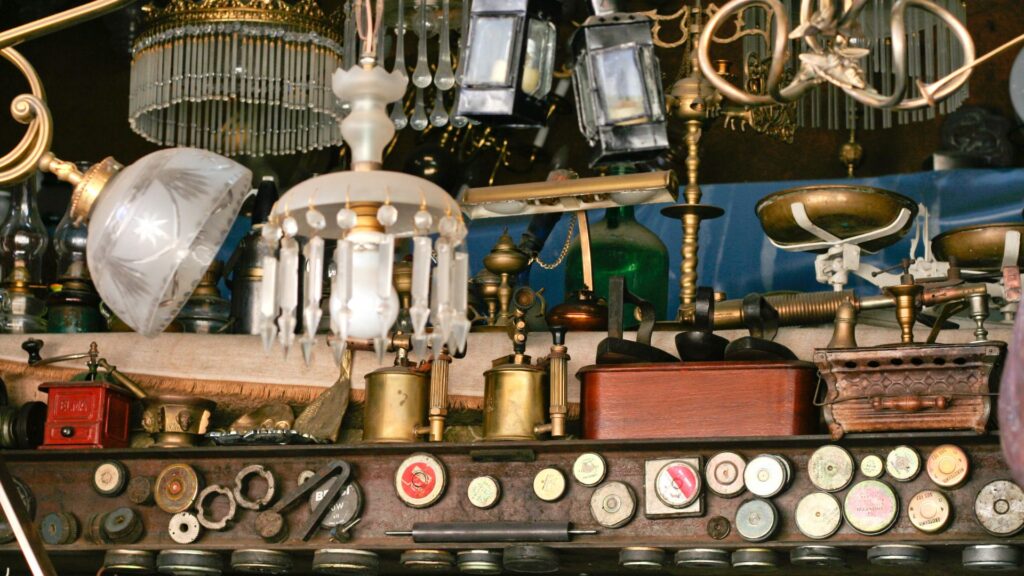
What is Taught in an Antique Dealer Course?
Online classes are available for anyone who wants to learn more about buying and selling antiques as an antique dealer.
Students learn about materials used to make certain antiques, valuation, interior design, and business practices.
How Long Does an Antique Dealer Course Take?
Antique dealers can expect to take a few weeks to a few months to learn online course material, but to be a skilled antique dealer, you must work in the industry for years.
Antique Dealer Education Options and Degree Programs
For more education, there are Bachelor of Art programs in history, art history, and fine arts at universities across the United States.
Also, online programs of higher education in antiques exist for anyone wanting to become an
antique dealer.
Masters programs and graduate degrees are available in art history and fine arts for anyone who wants to continue post-baccalaureate education.
Schools for Antique Dealer
Many schools for antique dealers are available online.
For example, Asheford Institute of Antiques is an accredited online program to learn antique dealing.
Become an Antique Dealer
The first step to becoming an Antique Dealer would be visiting your area’s antique stores.
Then, talk to shop owners and antique dealers about how they started.
Study antiques and history.
Go to estate sales and see appraisers in action.
You can also find out if an appraiser or dealer will mentor you to become an antique dealer.
Frequently Asked Questions
What are antique collectors looking for?
Antique collectors are looking for rare and old collectibles.
Therefore, they look at the condition and the history of items.
What old items are worth money?
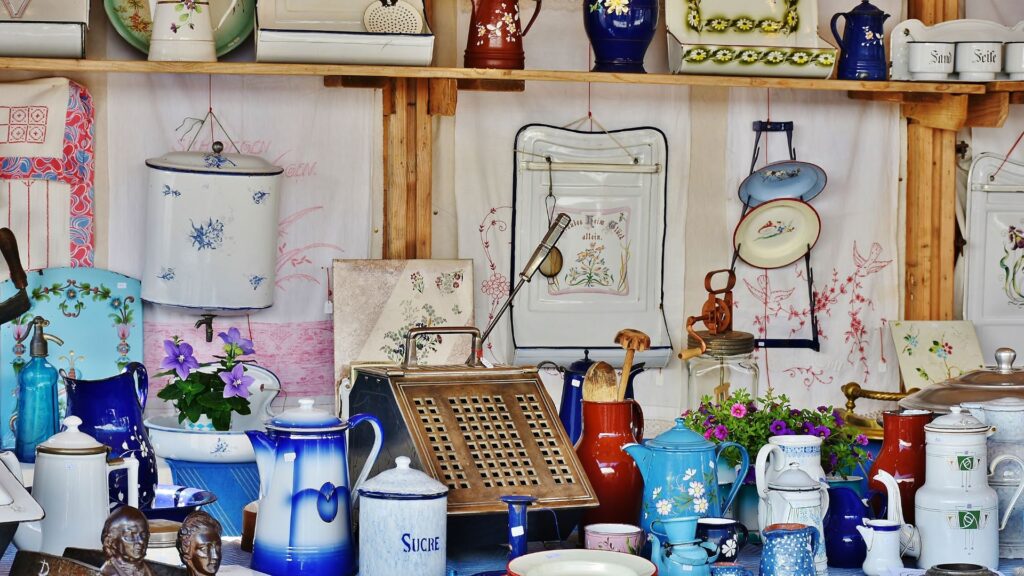
Antique collectors look for specific antiquities like coins, furniture, jewelry, old display signs, ceramic and porcelain dinnerware, silverware, and other collectible pieces that are worth money.
Wrapping Up
Becoming an antique dealer can be a lucrative and exciting career choice for lovers of history, artifacts, antiquities, and art.
There are many different ways to become an antique dealer, and the best way to find out is by doing your research.
Before starting your own antique dealing business, it’s important to clearly understand what it takes to be successful in this field.